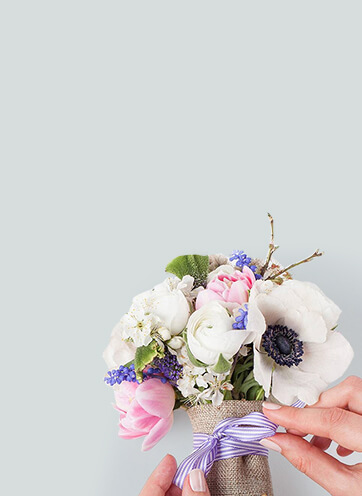
Wedding flowers for Watford Town Hall and Market Hall
Posted on 05/10/2026
Planning Wedding flowers for Watford Town Hall and Market Hall can feel wonderfully exciting and a little hectic at the same time. You're not just choosing pretty blooms; you're shaping the first impression of the day, the photos that will last for years, and the atmosphere guests feel the moment they arrive. That matters even more at a ceremony venue like Watford Town Hall or a market hall setting, where the space itself may already have character, light, and its own quirks. The right flowers don't fight that. They work with it.
In this guide, we'll walk through how to choose bouquets, buttonholes, table flowers, and venue arrangements that suit both settings, what to consider before you book, and how to avoid common mistakes. You'll also find a practical checklist, a simple comparison table, and a few real-world pointers from the kind of planning that tends to happen in the final week - when everyone suddenly remembers the registrar time, the ribbons, and the bouquet that still needs to fit in the car. Let's make it easier.
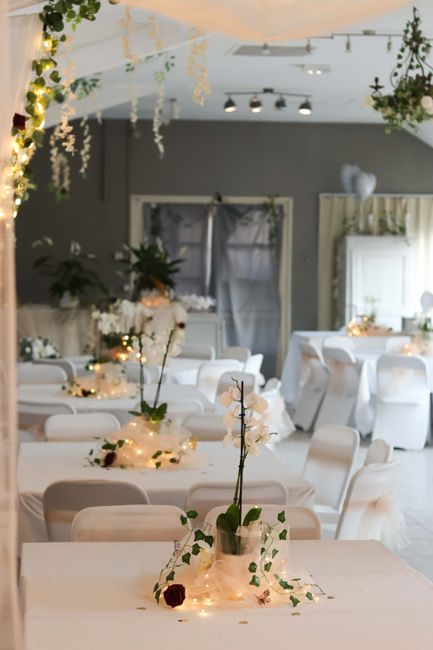
Why Wedding flowers for Watford Town Hall and Market Hall Matters
Wedding flowers do a lot of quiet work. They soften hard edges, guide the eye, and help a registry-style ceremony feel personal rather than rushed. At Watford Town Hall and Market Hall, that role becomes even more important because the architecture and layout can vary quite a bit from one ceremony to another. One couple may want something sleek and modern; another may want a romantic, classic look with a little local warmth. The flowers are what make the space feel like your wedding rather than just a room booked for an hour.
Watford Town Hall weddings often need floral choices that look polished in photographs and are easy to place without creating clutter. Market Hall ceremonies, by comparison, can benefit from arrangements that add structure and definition. In both cases, the flowers need to be visually strong enough to hold their own, but not so large that they overpower the venue. That balance is the whole game, really.
There is also a practical side. Ceremony timings, transport, setup access, and the possibility of short turnaround windows all affect what works best. A bouquet that looks beautiful in a shop can become awkward if it's too wide for the aisle, too delicate for a warm room, or too heavy to carry while greeting guests. Truth be told, the best wedding flowers are often the ones that make the day smoother, not just prettier.
Expert summary: For Watford Town Hall and Market Hall, the best floral designs are usually the ones that complement the venue, suit the timing of the ceremony, travel well, and photograph cleanly from a few different angles. Style matters, but practical fit matters just as much.
How Wedding flowers for Watford Town Hall and Market Hall Works
The process usually starts with the ceremony format. Are you having a small legal ceremony with only a handful of guests, or a fuller wedding day with photos, family groups, and a reception elsewhere? That answer affects everything from bouquet size to whether you need just personal flowers or a more complete package. A registrar ceremony may only need a bridal bouquet, buttonholes, and perhaps a table arrangement. A larger celebration may call for bridesmaid bouquets, corsages, aisle accents, and reception centrepieces too.
Next comes the style conversation. For Watford Town Hall and Market Hall, popular choices tend to include elegant whites, soft pastels, romantic roses, mixed seasonal flowers, or something more contemporary with structured forms. You might choose a clean white palette for a formal feel, or add blush, lilac, and greenery for softness. Some couples prefer a bolder statement - a lovely thing when the venue lighting is a little neutral and you want the flowers to do the heavy lifting.
After style comes logistics. Flowers need to be prepared with enough freshness for the ceremony but timed so they do not sit too long before the event. That means confirming delivery windows, where arrangements will be received, and who is responsible for moving bouquets or buttonholes between locations. If the couple is getting ready nearby and then travelling separately, transport packaging becomes more important than people expect. A bouquet can be gorgeous and still need careful handling; flowers are delicate, not decorative bricks.
Finally, the florals are matched to the venue layout. A top table arrangement that works in a large function room may look too wide on a smaller signing table. Buttonholes need to be secure, visible, and comfortable. Bridesmaid bouquets should complement the bridal bouquet without competing with it. These are small decisions, but they add up quickly.
Key Benefits and Practical Advantages
The obvious benefit is beauty. That part is easy to see in photos, but the practical benefits matter too. Well-planned wedding flowers help define the tone of the day, which is especially useful in civil ceremony settings where the venue may be shared, historic, or more functional than decorative. A few carefully chosen arrangements can transform a room from plain to personal in minutes.
Another benefit is consistency. If your bridal bouquet, bridesmaid bouquets, buttonholes, and table arrangements share the same colour family or flower types, the whole wedding feels cohesive. This is particularly useful when different parts of the day happen in different spaces. One flower story running through the day makes everything feel intentional. And yes, guests notice more than you might think.
There's also the matter of photography. Flowers help create focal points for close-up shots, group images, and those spontaneous moments by the venue entrance. A bouquet with shape and texture gives the photographer something to work with. White roses, lisianthus, orchids, and soft seasonal greens often photograph beautifully in municipal or heritage-style interiors because they keep things elegant without looking fussy.
Practical advantages include:
- easy coordination between ceremony and reception styling
- better use of a limited ceremony space
- clear visual identity across the bridal party
- more flattering photographs indoors and outdoors
- simpler transport when arrangements are planned in advance
If you want a single takeaway here, it's this: the right wedding flowers don't just decorate the venue - they make the day feel organised, calm, and thoughtfully put together.
Who This Is For and When It Makes Sense
This is for couples planning a ceremony at Watford Town Hall or Market Hall who want flowers that look beautiful without becoming another source of stress. It's especially relevant if you're working with a civil ceremony timetable, a mixed indoor-and-outdoor photo plan, or a modest guest list where every visual detail counts. Smaller weddings can benefit enormously from focused floral choices because there is less room to hide design mistakes. Everything is more visible. That can be a good thing, actually.
It also makes sense for couples who want a polished look on a realistic budget. You do not need to cover every surface with flowers. A strong bouquet, a few well-chosen buttonholes, and one or two venue arrangements can go a long way. For many registry-style weddings, that is the sweet spot: enough florals to feel special, not so many that the setup becomes complicated.
If you're the kind of couple who values ease, reliability, and a result that photographs well from the first kiss to the family group shot, then a venue-aware flower plan is worth it. It's also useful for anyone booking at short notice. In that case, you need a florist who can suggest suitable seasonal blooms, sensible substitutes, and delivery options that suit the day rather than forcing a rigid package.
This approach is not only for couples in the centre of Watford. Guests arriving from nearby, family helping with setup, and anyone using the venue as part of a wider Hertfordshire wedding plan can all benefit from the same thoughtful planning.
Step-by-Step Guidance
- Confirm the ceremony format. Start with the essentials: how many people are attending, where the ceremony will happen, and whether you need flowers only for the register room or for photos and reception too.
- Choose your floral tone. Decide whether you want classic, romantic, modern, seasonal, or slightly bold. This will guide colour and flower selection. A soft ivory-and-green scheme feels different from a coral-and-rose look, and that choice shapes everything else.
- Match flowers to the venue scale. For smaller spaces, choose bouquets and arrangements with shape and presence, but not bulk. For larger rooms, you may need taller or fuller pieces so the flowers don't disappear.
- Select the main items first. Most couples should begin with the bridal bouquet, then bridesmaid bouquets, then buttonholes. Once those are set, build out table flowers or ceremony accents if needed.
- Think about movement and comfort. A bouquet should feel comfortable to hold for photos, signing, and walking. Buttonholes should sit securely. Nothing should snag, tip, or spill water all over the outfit. It happens. More than you'd think.
- Confirm delivery and setup details. Ask where flowers will be delivered, who will receive them, and when they need to be ready. If the venue has a short access window, build around it rather than hoping for the best.
- Review substitutions early. Seasonal flowers change. If your first-choice blooms are unavailable, agree in advance which colours or flower types can be substituted without upsetting the design.
- Do a final visual check. Before the wedding, make sure the bouquet suits the dress, the buttonholes suit the suits, and the overall palette looks right in daylight and indoor light.
A simple way to think about it: start with the people, then the venue, then the flowers. Not the other way around. That order saves headaches.
Expert Tips for Better Results
In our experience, the strongest wedding flower plans are the ones that make one clear decision and carry it through. Pick a lead flower family - roses, lilies, orchids, lisianthus, hydrangeas, or a mixed seasonal palette - and let that family set the tone. Trying to use five competing ideas often makes the final result feel less refined.
One useful tip for Watford Town Hall and Market Hall is to think about sight lines. What will guests see first? The bouquet in the bride's hands? The signing table? The buttonholes in the front row? If the first visual moment is strong, the whole ceremony feels more polished. Small venues especially benefit from this kind of focus.
Another tip: keep one element slightly softer than the rest. If your bouquet is full and detailed, let the ceremony flowers be cleaner and simpler. If the venue arrangement is dramatic, let the bouquet be elegant and restrained. Balance is what stops the whole thing from turning into floral overkill. Nobody wants the room to feel like it was swallowed by a rose bush.
Helpful choices often include:
- White flowers for a classic, timeless look
- Soft pinks for a romantic, flattering palette
- Purple accents for depth and a slightly richer finish
- Mixed colours for a relaxed, joyful feel
- Seasonal flowers for better value and fresher texture
If you're unsure, ask for a florist's choice approach within your preferred colour range. That can work beautifully when you want a fresh, natural arrangement without getting lost in the weeds of exact bloom selection. Pun absolutely intended, sorry.
And one more thing: keep the bouquet size in proportion to the dress. A delicate gown can be overwhelmed by a huge hand-tied bouquet, while a fuller silhouette often benefits from a more substantial arrangement. It's a small detail. A big difference.
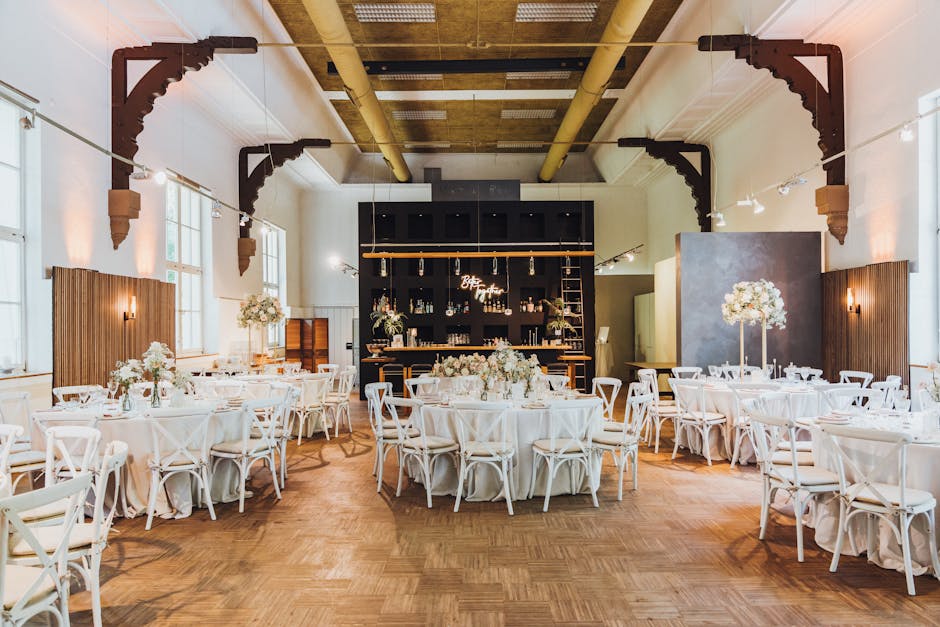
Common Mistakes to Avoid
The most common mistake is choosing flowers based only on photos online. Flowers are lovely in a gallery, but your actual venue light, dress fabric, time of day, and transport arrangements all matter. A bouquet that looks romantic in a dimly lit image may feel too dark in the room you've booked.
Another mistake is ignoring scale. Large arrangements can dominate a signing table or block sight lines. Very small arrangements can disappear in photographs. The goal is presence, not clutter.
People also forget to plan for the practical bits: who carries the bouquet, where buttonholes are pinned, whether water containers travel safely, and how the flowers are kept fresh before the ceremony. These details sound minor until the morning arrives and everyone is rushing around with coat hangers and cars keys. Then they matter a lot.
Other mistakes to watch for:
- choosing too many different colours and losing the overall style
- leaving confirmation of delivery until the last minute
- not checking flower substitutions in advance
- forgetting that indoor lighting can change how colours read
- booking flowers without measuring table or signing space
There is also a budget mistake that happens a lot: spending heavily on one dramatic bouquet and then running out of room for the smaller pieces that complete the look. If you're choosing where to invest, the bouquet, buttonholes, and one focal venue arrangement usually give the best value together.
Tools, Resources and Recommendations
You do not need a huge toolkit to plan good wedding flowers, but a few simple resources help more than you'd expect.
- Venue photos: bring screenshots or pictures of the actual space if you have them. This helps judge scale, colour, and placement.
- Outfit details: dress fabric, suit colour, tie shade, and bridesmaid dresses all influence flower choices.
- Guest list and table plan: if you're adding reception flowers, this tells you how much you need and where.
- Delivery timetable: useful for keeping the flowers fresh and avoiding last-minute panic.
- Colour reference images: even a small mood board can make communication much easier.
For flower selection, many couples find it helpful to start with a broader category and narrow it down. For example, if you know you want a romantic look, you might explore a wedding range such as wedding flowers and arrangements, then compare bridal, bridesmaid, and buttonhole options. That is often easier than choosing every stem separately.
If you want a bridal bouquet with a softer finish, a page like this bridal bouquet style can help you picture the scale and shape. For bridesmaids, it can also help to compare matching bridesmaid bouquets so the full set feels coordinated rather than copied.
For the men's florals, a well-chosen buttonhole can tidy the whole wedding look instantly. A classic option is the white rose groom buttonhole, though many couples prefer something slightly softer or more textured. The point is not to overcomplicate it. Keep it elegant and secure.
And if the ceremony includes tables or a signing area, adding a centrepiece or low arrangement can make the room feel more finished. A simple table arrangement is often enough to give the space a proper wedding feel without blocking conversation.
Law, Compliance, Standards, or Best Practice
Wedding flowers are not a heavily regulated purchase in the same way as some legal or safety-critical services, but good practice still matters. If you are using a venue such as Watford Town Hall or Market Hall, it is sensible to follow the venue's own rules about deliveries, access, standing decorations, and anything that may need fixing to walls or furniture. Venue staff usually know what causes problems, so it is worth asking early rather than assuming you can place flowers anywhere.
Good florists also work with sensible standards around freshness, handling, and presentation. That means flowers should arrive in good condition, be stored appropriately before the ceremony, and be arranged in a way that suits the setting. If water tubes, ribbon, or wiring are used, they should be neat and secure. A bouquet should feel comfortable to hold, not like a science experiment on a stick.
There is also a sustainability angle to consider. Many couples now prefer seasonal flowers, reusable containers, minimal waste wrapping, or arrangements that can be moved from ceremony to reception. These choices are not about perfection. They are simply practical and thoughtful. If sustainability matters to you, say so early - it helps shape the recommendation.
Finally, if you are ordering for delivery, check the florist's terms around timing, substitutions, and refunds in case of damage or a missed window. Clear expectations are part of good planning, and they reduce stress on the day. Not glamorous, perhaps, but very useful.
Options, Methods, or Comparison Table
Different wedding flower approaches suit different budgets, venues, and ceremony styles. Here's a simple comparison to help you choose what fits Watford Town Hall and Market Hall best.
| Option | Best for | Strengths | Trade-offs |
|---|---|---|---|
| Bridal bouquet only | Very small ceremonies or registry weddings | Simple, affordable, focused on the bride | Less visual consistency across the wedding party |
| Bouquet + buttonholes | Classic civil ceremonies | Neat, elegant, easy to manage | Limited impact in the room itself |
| Full personal flowers set | Couples with bridesmaids and family members | Coordinated and photogenic | More planning and slightly higher cost |
| Personal flowers + venue arrangements | Couples wanting a more finished look | Stronger visual effect in ceremony space | Needs more setup coordination |
| Seasonal florist-led design | Flexible couples who want value and freshness | Natural, fresh, often better suited to available stock | Exact blooms may vary |
If you want a clean, modern ceremony look, personal flowers plus one or two venue pieces are often enough. If you want a more immersive floral feel, then adding ceremony and reception flowers creates a richer finish. There is no single right answer here. The best choice is the one that suits your space, schedule, and comfort level.
Case Study or Real-World Example
Picture a couple planning a late-morning ceremony at Watford Town Hall. They want something elegant, not overly formal, and they know there will only be a short window for arrival, photographs, and moving on to lunch. The room is tidy and bright, but not huge. They also want flowers that look good in family photos without needing an elaborate installation.
Instead of spreading the budget across too many items, they choose a white-and-soft-pink scheme. The bride carries a medium bouquet with roses and light-textured blooms. The bridesmaid has a smaller matching bouquet. The groom wears a simple white rose buttonhole. They add one low arrangement for the signing table and keep the rest clean. Nothing unnecessary. Nothing crowded.
The result feels polished because every piece has a job. The bouquet shows up in close-up shots. The table arrangement gives the ceremony space a focal point. The buttonhole ties the whole look together. And because the flowers are not oversized, they travel well and stay fresh through the day.
That kind of plan works especially well for registry settings. It respects the venue, keeps logistics manageable, and still gives the couple a proper sense of occasion. Small wedding, big feeling. That's the sweet spot, to be fair.
Practical Checklist
Use this before you place the final order:
- Confirm the ceremony venue and exact date
- Check the number of bouquets, buttonholes, and any extra items needed
- Decide on your main colour palette
- Choose whether you want seasonal or specific flowers
- Share dress, suit, and bridesmaid colour details
- Ask about delivery timing and who will receive the flowers
- Confirm any venue rules about decorations, placement, or access
- Agree on substitution preferences in case a bloom is unavailable
- Check how the flowers will be packed for transport
- Review the bouquet size against your dress and comfort level
- Make sure any table arrangements fit the room scale
- Keep the florist's contact details handy for the wedding week
If you can tick most of these off without feeling frazzled, you are probably in good shape. And if one or two details are still floating around, that's normal. Weddings tend to do that.
Conclusion
Wedding flowers for Watford Town Hall and Market Hall should feel elegant, practical, and personal. The best designs suit the venue, support the ceremony flow, and help the day feel calm rather than crowded. Whether you're planning a small legal ceremony or a more complete wedding celebration, the key is to choose flowers that match the space, the schedule, and the feeling you want to create.
Start with the essentials, keep your palette consistent, and make sure logistics are as considered as the flowers themselves. That is usually where the difference lies between a nice arrangement and a truly memorable one. And when it all comes together - bouquet in hand, room ready, guests smiling - it really does feel worth the effort.
Get a free quote today and see how much you can save.
If you'd like to explore flower styles that suit your ceremony, you can browse options such as bridal bouquets, bridesmaid bouquets, and buttonholes to help shape the look you want.
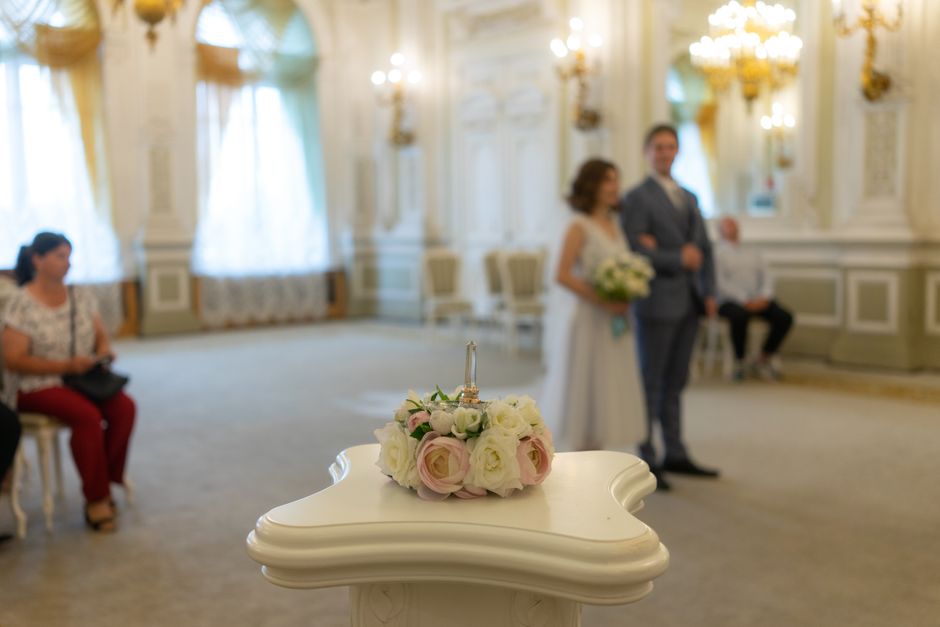
Frequently Asked Questions
What flowers work best for Watford Town Hall and Market Hall weddings?
Classic roses, lisianthus, orchids, hydrangeas, and mixed seasonal flowers often work well because they photograph beautifully and suit both traditional and modern ceremony settings. The best choice depends on your colour palette and the size of the room.
Do I need full venue flowers for a civil ceremony?
Not necessarily. Many couples only need a bridal bouquet, buttonholes, and perhaps one signing table arrangement. A smaller floral plan can still look complete if the colours and scale are chosen carefully.
How far in advance should I order wedding flowers?
As early as possible, especially if you want specific flowers or a busy wedding date. For flexible seasonal arrangements, shorter lead times may be possible, but early planning usually gives you more choice and less stress.
Can I keep my wedding flowers simple and still make the venue look special?
Yes. A well-chosen bouquet and one or two venue arrangements can make a strong visual impact. Simplicity often works especially well in ceremony venues where the room already has character.
What should I bring when discussing wedding flowers with a florist?
Bring venue photos, your dress or suit colours, bridesmaid outfit details, and any ideas you already have. If you know your ceremony timings and setup window, that helps too.
Are seasonal flowers a good choice for weddings?
They usually are. Seasonal flowers tend to feel fresh and natural, and they can be a sensible option if you want value without sacrificing style. You may need to be flexible about exact blooms, though.
How do I choose between white, pastel, or bold wedding flowers?
Think about the mood you want. White feels timeless and formal, pastels feel soft and romantic, and bold colours feel lively and expressive. The venue and dress style should help guide the choice.
Will my bouquet be too large for a registry office-style ceremony?
It can be if the design is oversized. A bouquet should be comfortable to hold and proportionate to your outfit and ceremony space. Medium-sized hand-tied bouquets are often a safe, elegant choice.
What if a flower I wanted is not available?
A good florist will suggest a substitute that keeps the overall look and colour balance intact. It helps to agree substitution preferences in advance so there are no surprises close to the wedding.
Can I reuse ceremony flowers at the reception?
Often, yes. Low arrangements, table pieces, and some focal flowers can be moved after the ceremony if the schedule allows. This is a practical way to make your flowers work harder for the day.
How do buttonholes and bouquets coordinate without looking too matchy?
The trick is to share the same colour family or one or two flower types, but vary the scale and texture. That keeps the wedding party cohesive without making everything look identical.
What is the best way to keep wedding flowers fresh on the day?
Make sure delivery timing is appropriate, keep arrangements in water where possible, and avoid leaving bouquets in hot cars or direct sun for long periods. Small handling choices can make a big difference.
Should I choose flowers based on photos or the actual venue?
Both, but the venue should come first. Photos are useful inspiration, yet the room size, lighting, and ceremony layout matter more for the final result. The best flowers are the ones that suit the real space you'll be in.